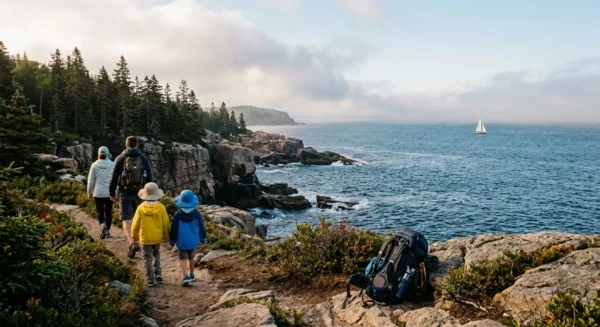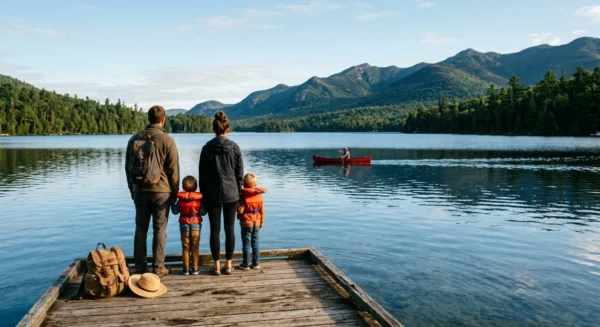
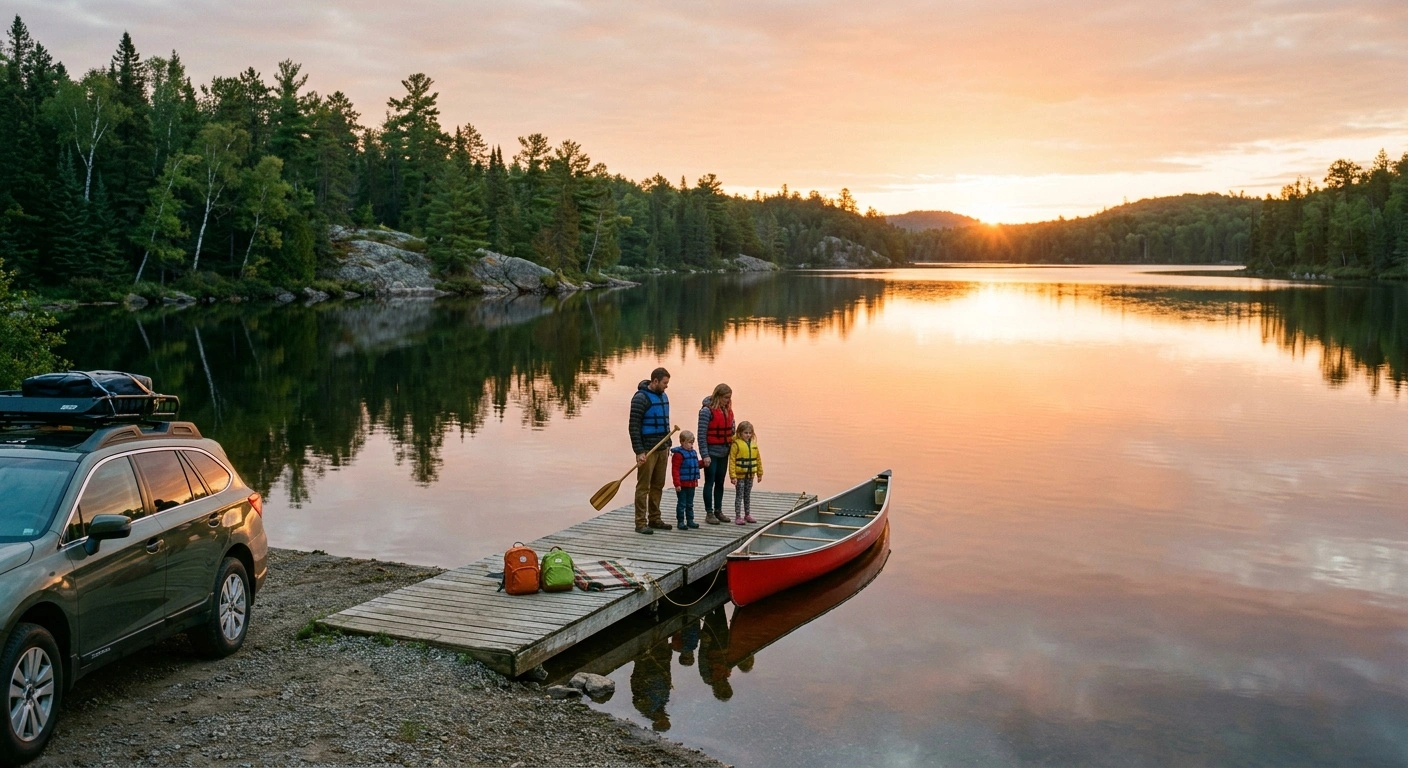
Your Minnesota family vacation works best when you choose one region and leave room for weather changes. The state covers long distances, so a focused route gives children more time outdoors and less time in the car.
Families can pair museums and city parks with lake days, waterfalls, or short forest hikes. This guide compares Minnesota’s main destinations, seasons, lodging options, and practical travel details.
How to Plan a Minnesota Family Vacation
Start by deciding how many times your family wants to change lodging. One base works well for a long weekend, while two bases can support a trip of five days or longer.
Keep driving times realistic. Duluth sits about two and a half hours from the Twin Cities, while Grand Marais requires several more hours on Highway 61.
Choose the Right Season
June through August brings warm lake weather, long daylight hours, and the largest selection of tours. Popular cabins and resorts often fill months ahead, especially around holiday weekends.
September and early October offer cooler hiking conditions and fall color. Peak color varies by region, with northern forests usually changing before the Twin Cities.
Winter supports skiing, snowshoeing, skating, and indoor museum visits. Temperatures can fall below zero, so families need insulated clothing and a flexible schedule.
Late spring often brings mud, cold lake water, and insects in wooded areas. However, waterfalls carry more water after snowmelt and seasonal rain.
Build in a Weather Backup
Minnesota weather can shift within a few hours. Pack rain layers, dry socks, sunscreen, and light jackets even during summer.
Each travel day should include an indoor alternative. Museums, aquariums, conservatories, and hotel pools can rescue a stormy afternoon without adding a long drive.
Family Destinations in the Twin Cities
Minneapolis and Saint Paul make a practical starting point for first-time visitors. The airport, major highways, museums, parks, and restaurants sit within a manageable area.
Minneapolis
Minneapolis gives families easy access to city lakes and paved trails. Around the Chain of Lakes, visitors can walk, rent bikes, use playgrounds, or stop for a picnic.
Mill City Museum explains the city’s flour-milling history through exhibits inside a former mill complex. Check current schedules before visiting because programs and access can change.
The Minneapolis Sculpture Garden offers an outdoor break near the Walker Art Center. Children have room to move, while adults can explore large-scale works without committing to a full museum day.
Saint Paul
The Science Museum of Minnesota features hands-on exhibits, fossils, and a large-format theater. Families can spend several hours here, making it useful during rain or extreme cold.
Como Park Zoo and Conservatory combines animals, indoor gardens, and seasonal attractions. Entry operates on a donation model, though some rides and activities charge separate fees.
Allow time to explore Saint Paul’s neighborhoods rather than crossing the metro repeatedly. Traffic can slow travel during weekday mornings and late afternoons.
Bloomington
Mall of America works well as an arrival-day or departure-day stop near the airport. Nickelodeon Universe, the aquarium, shops, and restaurants all sit inside the complex.
The mall’s size can tire younger children. Choose two or three priorities before arriving, then schedule a meal or quiet break between activities.
Duluth and the North Shore
Duluth combines Lake Superior scenery with museums, trails, and working harbor activity. Canal Park provides access to the Lakewalk and views of ships passing beneath the Aerial Lift Bridge.
The Great Lakes Aquarium focuses on freshwater environments and regional wildlife. Nearby, the Lake Superior Railroad Museum displays locomotives and passenger cars inside the historic depot.
Driving Highway 61
Highway 61 follows Lake Superior from Duluth toward Grand Marais and the Canadian border. Scenic stops sit close together, but summer traffic and roadwork can lengthen the drive.
Gooseberry Falls State Park offers accessible viewpoints and short trails near the highway. Farther north, Split Rock Lighthouse combines lake views with regional history.
Tettegouche State Park has rocky overlooks, inland trails, and waterfall routes. Check trail conditions first because ice, mud, and erosion can affect access.
Lake Superior stays cold throughout the year. Watch children closely near rocks and shorelines, where waves and slippery surfaces create real hazards.
Using Grand Marais as a Base
Grand Marais has a walkable harbor, local shops, galleries, and access to nearby trails. Families can stay in town and take day trips without changing hotels each night.
Restaurant kitchens here lean on smoked fish, lake fish, soups, pastries, and seasonal produce. Summer dinner waits can run long, so eat early or keep picnic supplies in the car.
Lake Resorts and Central Minnesota
Central Minnesota suits families who want slower days near the water. The Brainerd Lakes area has cabins, full-service resorts, campgrounds, golf courses, and paved bicycle routes.
Resort features vary widely. Before booking, confirm beach conditions, boat rentals, meal service, air conditioning, and children’s programs.
A cabin kitchen can simplify breakfast and accommodate early bedtimes. Stock groceries before reaching smaller lake communities, where stores may close earlier than expected.
Wear life jackets on boats and docks. Minnesota law sets specific requirements for children, but properly fitted flotation also helps adults respond during an emergency.
Voyageurs and Boundary Waters Trips
Voyageurs National Park centers on interconnected lakes near the Canadian border. Many campsites and major park experiences require a boat, water taxi, or scheduled tour.
Visitor centers provide trail information and seasonal programs. Reserve boats, campsites, and guided activities early because local capacity remains limited.
The Boundary Waters Canoe Area Wilderness requires more preparation than a standard cabin trip. Families must manage portages, changing weather, food storage, navigation, and backcountry camping.
First-time paddlers should work with an established outfitter or guide. A short route with minimal portaging gives children time to learn without exhausting the group.
A Practical Five-Day Minnesota Itinerary
Days One and Two: Twin Cities
Spend the first day at a major museum, zoo, or city lake. Use the second day for Saint Paul, Bloomington, or an activity missed after arrival.
Day Three: Duluth
Drive north after breakfast and reach Duluth around midday. Explore Canal Park, watch harbor traffic, and choose the aquarium or railroad museum if weather turns.
Days Four and Five: North Shore
Continue along Highway 61, stopping at Gooseberry Falls and Split Rock Lighthouse. Stay near Two Harbors or Grand Marais, depending on your preferred driving time.
Use the final morning for a short hike or harbor walk. Then return south with enough time for meals, fuel stops, and road delays.
For a first Minnesota family vacation, this route balances city attractions with Lake Superior without requiring constant hotel changes. Families with more time can add a resort stay or several nights near Grand Marais.
Where to Stay and What to Pack
Hotels give families predictable amenities and easy access to restaurants. Cabins offer privacy and kitchens, while campgrounds place travelers closer to trails and lakes.
Read cancellation terms before paying a deposit. Weather, wildfire smoke, road construction, and illness can alter an outdoor itinerary.
Summer packing should include insect repellent, sunscreen, rain gear, reusable water bottles, and closed-toe shoes. Add warm layers for Lake Superior, where shoreline temperatures can feel much cooler.
Winter travelers need insulated boots, gloves, hats, and extra clothing for children. Keep blankets, snacks, and a charged phone in the vehicle during long drives.
Make the Trip Manageable
A successful Minnesota family vacation does not require crossing the entire state. Choose a compact route, reserve key activities, and protect several hours for unplanned stops.
Most importantly, match the itinerary to your children’s energy and experience. A short waterfall walk followed by a quiet cabin dinner often works better than a full day of scheduled attractions.