A Maine family vacation works best when you choose one or two regions instead of crossing the entire state. Coastal roads and summer traffic often make drives longer than maps suggest. Southern beaches, Portland, the Midcoast, Acadia National Park, and inland lakes each deserve time.
Families with young children often pair a beach town with Portland or the Midcoast. Older children and teens may handle longer drives to Acadia, Moosehead Lake, or Rangeley more easily. Summer offers the most tours and services, but it also brings higher rates and crowded roads. Maine’s ocean water stays cold, even during warm weather.
Early fall brings fewer visitors and comfortable daytime temperatures. However, boat tours, seasonal restaurants, and family attractions may reduce their hours. Leave room for fog, rain, and an unscheduled afternoon.
How to Plan a Maine Family Vacation by Region
Plan by region rather than building a statewide checklist. Portland International Jetport serves southern Maine and much of the Midcoast. Bangor International Airport provides easier access to Acadia and parts of inland Maine.
A drive from York to Bar Harbor takes several hours without extended stops. Do not treat southern Maine and Acadia as neighboring destinations. With children, frequent breaks can add considerable time.
July and August bring the warmest weather and the broadest schedule of tours and ranger programs. Late June often costs less, but lakes and ocean water remain cold. Biting insects can also become noticeable inland.
September suits families with preschoolers or flexible school schedules. Check operating calendars before booking because many attractions reduce their hours after Labor Day. To control costs, choose lodging with a kitchen and avoid changing hotels each night.
Reserve popular campgrounds, Bar Harbor lodging, rental cars, and boat tours early. Mix paid attractions with beaches, picnics, and short hikes. That approach keeps both the schedule and budget manageable.
| Activity | Best ages | Best season | Typical cost | Travel base |
|---|---|---|---|---|
| Southern Maine beaches and tide pools | Toddlers through teens | Late June through early September | Low to moderate | York, Ogunquit, Wells, or Kennebunk area |
| Casco Bay ferry ride | Preschool through teens | Late spring through early fall | Low to moderate | Portland |
| Maine Wildlife Park | Preschool through middle school | Generally spring through fall | Moderate | Gray or Greater Portland |
| Coastal Maine Botanical Gardens | Toddlers through grandparents | Late spring through fall | Moderate | Boothbay region |
| Pemaquid Point rocky coast | School-age children through teens | Late spring through early fall | Low | Damariscotta or Bristol peninsula |
| Acadia carriage roads | School-age children through teens | Late spring through October | Low without rentals; higher with bikes | Bar Harbor or Mount Desert Island |
| Acadia’s Ocean Path | Preschool through teens | Late spring through fall | Park admission | Bar Harbor or Mount Desert Island |
| Maine Discovery Museum | Toddlers through elementary age | Year-round | Moderate | Bangor |
| Moosehead Lake outing | School-age children through teens | Summer and early fall | Moderate to high | Greenville |
| Rangeley Lakes scenic day | Preschool through teens | Summer and fall | Low to moderate | Rangeley |
Southern Maine and Greater Portland
1. Spend a Beach Day in York, Ogunquit, or Wells
Southern Maine’s broad beaches provide convenient coastal access for families arriving from Boston or Portland. York, Ogunquit, and Wells sit about one to two hours from Portland International Jetport. Summer traffic and your chosen beach will affect the drive.
Young children can dig in the sand and explore shallow tide pools. Older children may prefer bodyboarding, beach walks, or rocky areas at low tide. Plan at least half a day.
Parking and food costs range from low to moderate. Arrive early because public lots can fill quickly. Payment methods vary between parking areas, so carry a card and some cash.
The Atlantic stays cold throughout summer. Swim near lifeguards, follow local warning flags, and watch for rip currents. Keep young children within arm’s reach near the water.
Atlantic hurricane season runs from June 1 through November 30. Tropical systems affect Maine less often than warmer coastal states, but they can still disrupt travel. Consider flexible reservations or travel insurance during this period.
2. Ride a Casco Bay Ferry from Portland
A Casco Bay ferry offers views of working boats, islands, seabirds, and Portland’s waterfront. It also costs less than many private boat excursions. The downtown terminal usually sits 15 to 25 minutes from the airport in normal traffic.
Short island routes often work well for preschoolers. School-age children and teens may enjoy a longer ride with time ashore. Allow two to four hours, depending on the route.
Expect a low-to-moderate family cost. Schedules and island services vary by season, so check the ferry operator’s official website. Confirm the return schedule before leaving the terminal.
Bring layers because open decks can feel cool and windy. Pack snacks if your route offers limited food service. Supervise children near railings at all times.
Ferries carry different safety equipment than small recreational boats. If you transfer to a smaller boat, give each child a properly fitted life jacket.
3. See Maine Animals at the Maine Wildlife Park
The Maine Wildlife Park in Gray cares for animals that cannot return to the wild. Families can learn about species that live throughout the state. The park sits roughly 30 minutes north of Portland, depending on traffic.
Preschool and elementary-age children usually get the most from the visit. Older children interested in photography or conservation may also enjoy it. Most families spend two to three hours here.
Admission generally represents a moderate family expense. The park operates seasonally, and program schedules can change. Confirm current hours and accessibility details with Maine’s wildlife agency.
Wear sturdy shoes and bring insect repellent. A stroller or carrier helps children who tire on longer loops. Outside managed viewing areas, never feed, call to, or approach wildlife.
Midcoast Maine
4. Explore the Coastal Maine Botanical Gardens
The Coastal Maine Botanical Gardens in Boothbay offers a quieter break between boat rides and long drives. The trip from Portland generally takes about 90 minutes. Summer traffic on the Boothbay peninsula may extend that estimate.
The gardens work well for toddlers, older adults, and everyone between. Walking paths and family areas encourage active exploration rather than a formal garden tour. Plan three to four hours.
Admission falls into the moderate range. The gardens may require advance tickets or timed entry during busy periods and special events. Check the official website before leaving your lodging.
Bring water, sun protection, insect repellent, and a stroller suited to outdoor paths. An early arrival usually means cooler weather and easier parking. Popular paths also feel less crowded near opening time.
5. Walk the Rocky Shore at Pemaquid Point
Pemaquid Point features sloping rock ledges, open-ocean views, waves, and a classic lighthouse setting. The drive from the Boothbay region takes roughly 60 to 90 minutes. Your route and summer traffic can increase the travel time.
School-age children and teens handle the uneven rocks most comfortably. Younger children can enjoy the view from safer areas with close supervision. Allow one to two hours.
Parking or site admission usually costs little. Lighthouse tower access, museum hours, and seasonal services may change. Check current details rather than planning the visit around a tower climb.
Wear shoes with strong traction. Keep children away from wet ledges and breaking waves, even when the ocean looks calm. Fog and wind can arrive quickly, so carry a warm layer.
Acadia National Park and Mount Desert Island
6. Bike or Walk Acadia’s Carriage Roads
Acadia’s carriage roads cross forests and circle lakes without regular vehicle traffic. Mount Desert Island lies about an hour from Bangor and several hours from Portland. Summer congestion near Bar Harbor often adds time.
Confident elementary-age cyclists, tweens, and teens usually make the strongest riders. Families with younger children may prefer a short walk. Local rental shops can explain approved child-carrying equipment.
Plan two to four hours for your first outing. Walking costs little beyond park admission, while bicycle rentals raise the family price. Choose a route based on the least-experienced rider.
The roads include hills, loose gravel, and confusing intersections. Carry an official map rather than relying only on your phone. Download any digital maps before entering areas with limited service.
Review National Park Service rules before your visit. Confirm bicycle and e-bike access, closures, entrance fees, and current road conditions. Reservation requirements can also change.
7. Follow Ocean Path Along Acadia’s Shore
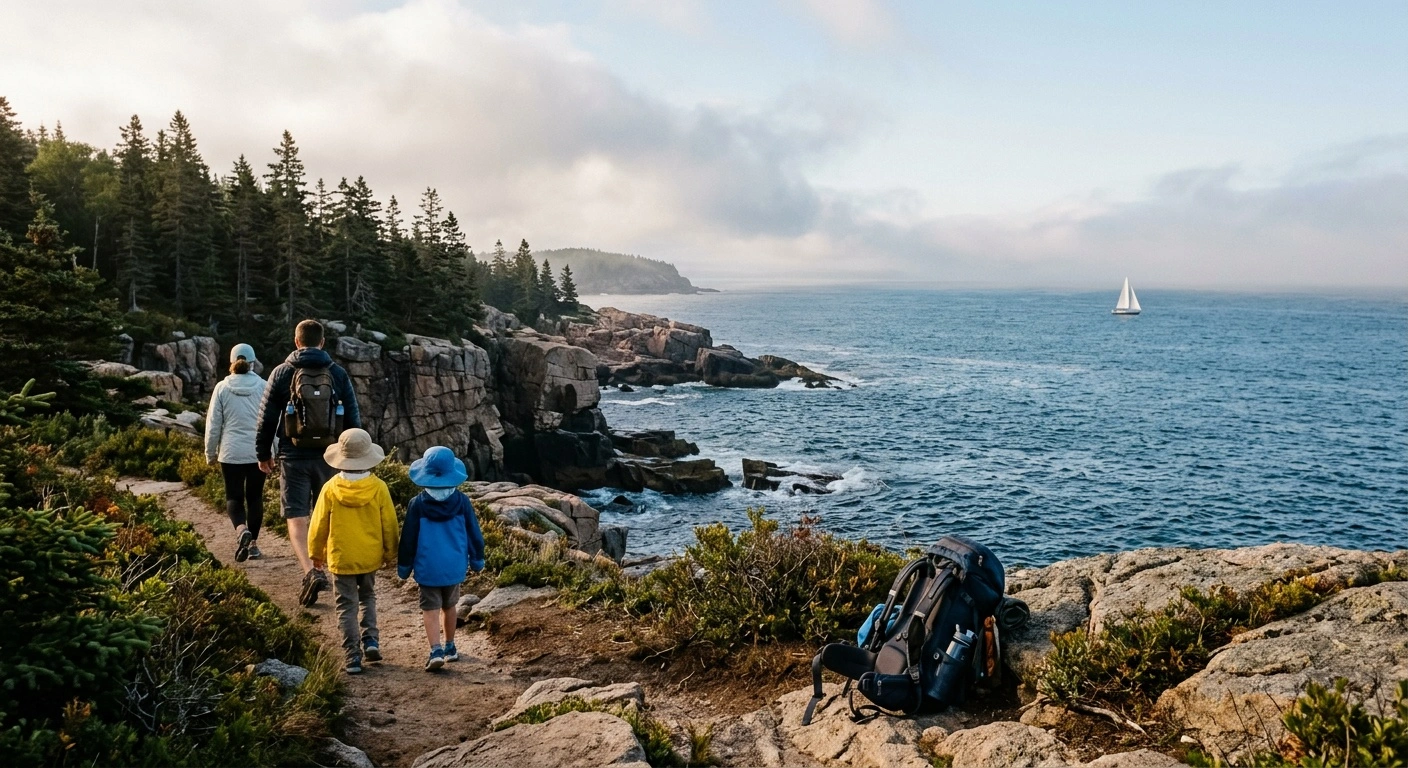
Ocean Path follows a well-known section of Acadia’s rocky coastline. Families can walk a short stretch instead of committing to a strenuous hike. Preschoolers may manage parts of the route if they feel comfortable on uneven ground.
School-age hikers, teens, and active grandparents can explore farther. A longer outing may take several hours, but you can turn around at any point. Bring water and dress for changing coastal weather.
Park admission and transportation account for most costs. Parking along Park Loop Road fills quickly during peak season. Use the seasonal Island Explorer bus when its routes and dates suit your plans.
Keep children away from cliff edges, wet rocks, and rough surf. Never climb down for a photograph. Stay on marked routes and follow National Park Service wildlife guidance.
Check the park website for closures and transportation updates. Also review any timed-entry systems that could affect your route. Requirements may vary by location and season.
Bangor and Inland Maine
8. Save a Rainy Day for the Maine Discovery Museum
The Maine Discovery Museum in downtown Bangor provides an indoor option during rain, fog, or excessive heat. It sits near Bangor International Airport. The drive from Bar Harbor usually takes about an hour in ordinary traffic.
Toddlers through elementary-age children get the strongest experience from the hands-on exhibits. Teens seeking a traditional science museum may find fewer activities that suit them. Plan two to three hours.
Admission generally costs a moderate amount. Verify current hours, ticket procedures, and exhibit availability on the museum’s official website. Individual exhibits may close for maintenance.
Pair the museum with lunch and a quiet walk instead of another major attraction. On multigenerational trips, adults can take turns supervising. Other family members can use that time to rest or handle supplies.
9. Get on the Water at Moosehead Lake
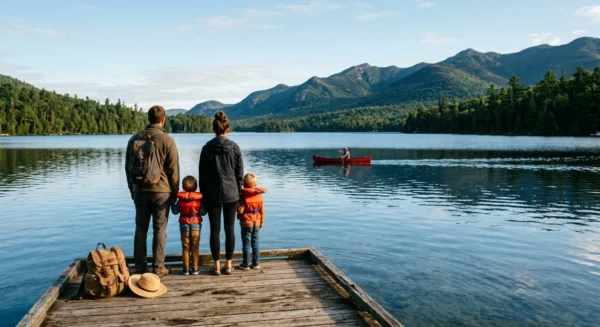
Moosehead Lake supports boating, fishing, paddling, and wildlife watching in a quieter inland setting. Greenville lies about two hours from Bangor and several hours from Portland. Plan a separate two- or three-night stay instead of a coastal day trip.
School-age children and teens often enjoy guided boat outings. Younger children may prefer a short shoreline paddle in calm conditions. Allow half a day for a guided activity.
Rentals typically cost a moderate amount. Private guides and longer excursions can raise the price considerably. Reserve reputable providers early during the summer season.
Maine’s inland waters remain cold even in warm weather. Children should wear properly fitted life jackets on boats, canoes, and kayaks. Close supervision also matters along docks and shorelines.
Weather can change quickly across a large lake. Do not launch in questionable conditions or depend entirely on a phone for navigation. Confirm age limits, safety equipment, cancellation terms, and schedules with your provider.
10. Plan a Scenic Day in the Rangeley Lakes Region
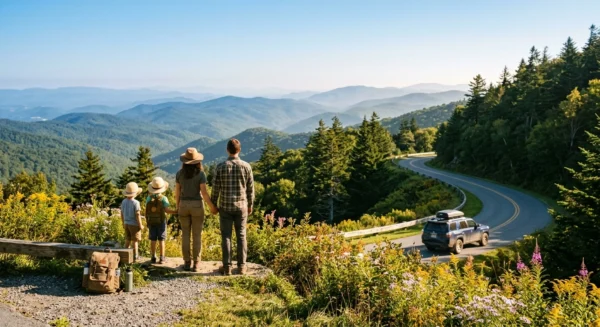
The Rangeley Lakes region combines mountain views, picnic areas, short trails, and wildlife-watching opportunities. Rangeley sits about three hours from Portland. Bangor also requires a multi-hour drive, so avoid adding Rangeley to a rushed coastal weekend.
Preschoolers can manage short nature walks. Older children and teens may prefer longer hikes, paddling, or supervised fishing. A full day leaves time for an overlook, lunch, and unstructured lake time.
The day can remain inexpensive if you bring food and skip equipment rentals. Guides, boats, and fishing gear will increase the cost. Check local conditions before choosing trails or paddling routes.
Area roads become dark and winding after sunset. Wildlife also moves near roads around dawn and dusk, so avoid rushing back late. Carry water, layers, and insect repellent.
Keep children away from fast water and slippery waterfall ledges. For boating or paddling, use properly fitted life jackets. Rangeley’s lakes can remain cold throughout summer.
How to Combine Maine Destinations Without Rushing
For a four- or five-night trip, choose one main region and add nearby day trips. A southern Maine itinerary can include two beach days, Portland’s waterfront, and the Maine Wildlife Park. This plan avoids repeated hotel changes.
A Midcoast itinerary can pair Boothbay with Pemaquid Point. Even so, slow peninsula roads and summer traffic require extra time. Avoid scheduling timed activities immediately after a long drive.
With a full week, you can combine Portland, the Midcoast, and Acadia. Limit hotel changes and expect one substantial travel day. Add a free afternoon after the longest transfer.
Families combining Acadia and Moosehead Lake should allow more than a week or skip southern Maine. Rangeley pairs more naturally with western Maine or Greater Portland than with Bar Harbor. These choices reduce backtracking and leave more time outdoors.
Choosing the Right Maine Family Vacation Plan
Families with toddlers often find the easiest pace near southern beaches, Portland ferries, and gardens. Short nature walks also leave room for naps and weather changes. Choose lodging near groceries and simple restaurants.
Elementary-age children can handle Acadia’s gentler trails, carriage roads, wildlife sites, and hands-on museums. Teens may prefer longer bike rides, guided paddling, fishing, and remote inland landscapes. Match each day to the least-experienced traveler.
Book lodging, rental cars, guided lake trips, and popular Acadia activities first. Reserve ferries when your chosen route or operator recommends advance booking. Keep beach days and short hikes flexible around the forecast.
Check official park, attraction, ferry, and tour websites shortly before departure. Seasonal hours, road access, reservation systems, and operating policies can change. Treat cold water, rocky shores, shifting weather, and long drives as central planning factors.