
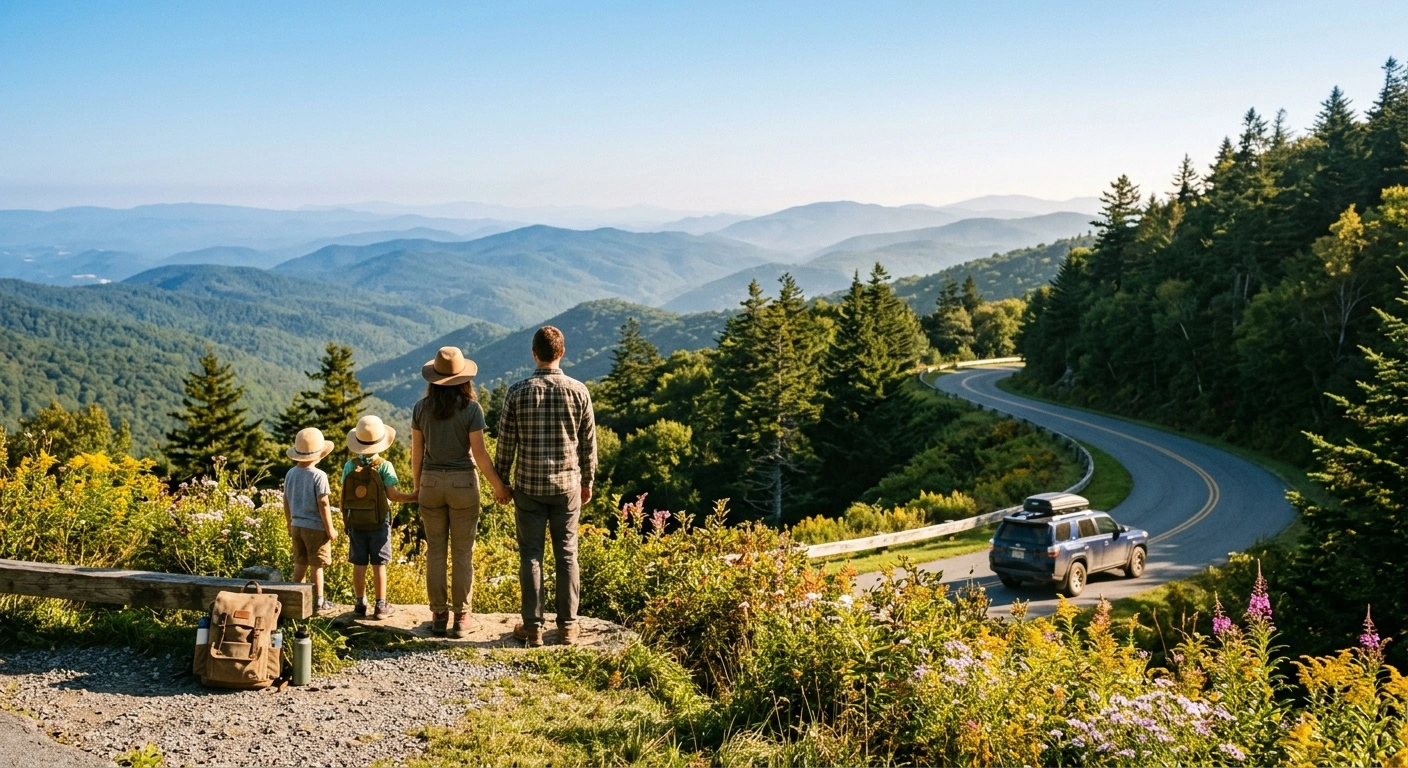
A Georgia family vacation can combine city museums, mountain trails, historic streets, and Atlantic beaches in one trip. The state’s manageable driving distances also make a multi-stop itinerary practical for families.
Atlanta works well as an arrival point, but the city deserves more than a quick overnight. Afterward, choose the mountains, Savannah, or the coast based on your family’s pace and interests.
How to Plan a Georgia Family Vacation
Start by limiting the trip to two or three base locations. Frequent hotel changes consume time and make routines harder for younger children.
Spring and fall bring mild temperatures across much of the state. Summer suits beach trips, although heat and afternoon thunderstorms can affect outdoor plans.
Book major attractions and coastal lodging early, especially during school breaks. Leave some room in the schedule for playgrounds, swimming, and unplanned stops.
Spend Two or Three Days in Atlanta
Downtown Atlanta places several major attractions close together. The Georgia Aquarium, World of Coca-Cola, and National Center for Civil and Human Rights sit around Centennial Olympic Park.
The aquarium can fill quickly on weekends and holidays. Reserve a timed ticket and arrive early, then plan a quiet lunch before the afternoon crowds peak.
Choose Museums That Match Your Children’s Ages
Fernbank Museum of Natural History gives children room to move among dinosaur displays and science exhibits. Its outdoor paths add a welcome break from indoor galleries.
Zoo Atlanta offers giant pandas, African elephants, reptiles, and a children’s area. Families should allow several hours because the grounds cover more space than they first appear to.
Older children may connect with the exhibits at the Martin Luther King, Jr. National Historical Park. The site includes Dr. King’s birth home neighborhood and historic Ebenezer Baptist Church.
Make Time for Atlanta’s Parks
Piedmont Park has lawns, paths, playgrounds, and skyline views. It also connects to the Atlanta Beltline’s Eastside Trail, where families can walk between neighborhoods and public art.
Atlanta traffic can slow even short trips. Group attractions by neighborhood instead of crossing the city several times each day.
Head North for Mountains and Waterfalls
North Georgia offers cooler mornings, wooded trails, lakes, and small mountain towns. Blue Ridge makes a useful base for cabin stays and day trips.
The Blue Ridge Scenic Railway follows the Toccoa River on seasonal excursions. Check the trip length before booking because younger children may struggle with longer rides.
Pick Trails With Clear Payoffs
Amicalola Falls State Park contains Georgia’s tallest waterfall, with several viewpoints along the slope. Families can choose shorter approaches instead of climbing the full staircase.
Tallulah Gorge State Park provides rim overlooks with broad views into the gorge. The park’s stair routes demand more effort, so bring water and check current trail conditions.
For a quieter outing, walk part of the shoreline at Lake Blue Ridge. Pack snacks, towels, and dry clothes if children plan to wade or paddle.
Explore Savannah at a Slower Pace
Savannah rewards short walks rather than a rigid sightseeing schedule. Its shaded squares provide frequent places to rest between historic buildings, shops, and museums.
Start near Forsyth Park, then follow Bull Street toward the river. Strollers handle most central sidewalks, although brick paving and high curbs can create rough sections.
Add History Without Overloading the Day
The Savannah History Museum introduces the city’s past in a manageable format. Families can pair it with a trolley tour when children need a break from walking.
Georgia State Railroad Museum displays historic rail equipment in an old railway complex. Children who enjoy machines can spend several hours watching demonstrations and exploring the grounds.
Ghost tours attract many families with older children, but the tone varies by operator. Review age recommendations and tour length before reserving a place.
Choose a Georgia Beach Base
Tybee Island sits about 18 miles east of central Savannah. Its public beach access points, pier, and lighthouse make it convenient for a day trip.
Jekyll Island offers beaches, bike paths, and the Georgia Sea Turtle Center. Families can also visit the historic district or walk along Driftwood Beach at low tide.
Beach conditions change with weather and tides. Check local warnings, supervise children closely, and use marked access routes to protect the dunes.
Eat Like a Family Traveling Through Georgia
Georgia menus often feature fried chicken, barbecue, catfish, seasonal vegetables, and cornbread. A meat-and-three restaurant lets each person choose familiar sides without ordering a large entrée.
Along the coast, look for local shrimp, oysters in season, and Brunswick stew. Ask how kitchens season seafood because spice levels can vary widely.
Boiled peanuts make a practical roadside snack, though their soft texture surprises first-time visitors. Fresh Georgia peaches usually appear in markets during late spring and summer.
Keep breakfast simple on driving days. A biscuit with egg or country ham travels well, while fruit and water help balance the heavier restaurant meals.
A Seven-Day Family Itinerary
A one-week Georgia family vacation can cover Atlanta, the mountains, and Savannah without constant packing. This route requires one longer drive between North Georgia and the coast.
- Day 1: Arrive in Atlanta and walk through Centennial Olympic Park.
- Day 2: Visit the Georgia Aquarium and one nearby museum.
- Day 3: Explore Zoo Atlanta or Fernbank, then drive to Blue Ridge.
- Day 4: Visit a waterfall, lake, or scenic railway.
- Day 5: Drive to Savannah and take an evening walk through the squares.
- Day 6: Explore Savannah’s historic district and riverfront.
- Day 7: Spend the morning on Tybee Island before departure.
Families who dislike long drives can skip the mountains and add Jekyll Island instead. An Atlanta and North Georgia route also works well for a shorter four-day trip.
Practical Tips for Traveling With Children
- Carry refillable water bottles, sunscreen, insect repellent, and light rain jackets.
- Download maps before entering mountain areas with limited mobile service.
- Check attraction hours directly because seasonal schedules may change.
- Reserve hotel parking in downtown Atlanta or Savannah when possible.
- Plan one major attraction each morning and keep afternoons flexible.
- Bring water shoes for rocky shorelines, creeks, and coastal outings.
Georgia’s heat can tire children faster than expected. Schedule outdoor activities early, then use museums or hotel breaks during the hottest hours.
Build a Trip That Fits Your Family
A successful Georgia family vacation needs realistic drive times and fewer scheduled stops. Choose two strong base locations, reserve priority attractions, and protect some unscheduled time.
That approach leaves room for a second helping at lunch, an extra hour on the beach, or a trail that takes longer than planned. Those small adjustments often shape the days families remember most.